

PRODUCT CENTER
CONTACT US
If you are interested in cooperation, please contact us immediately, we will give you feedback as soon as possible!
Mobile
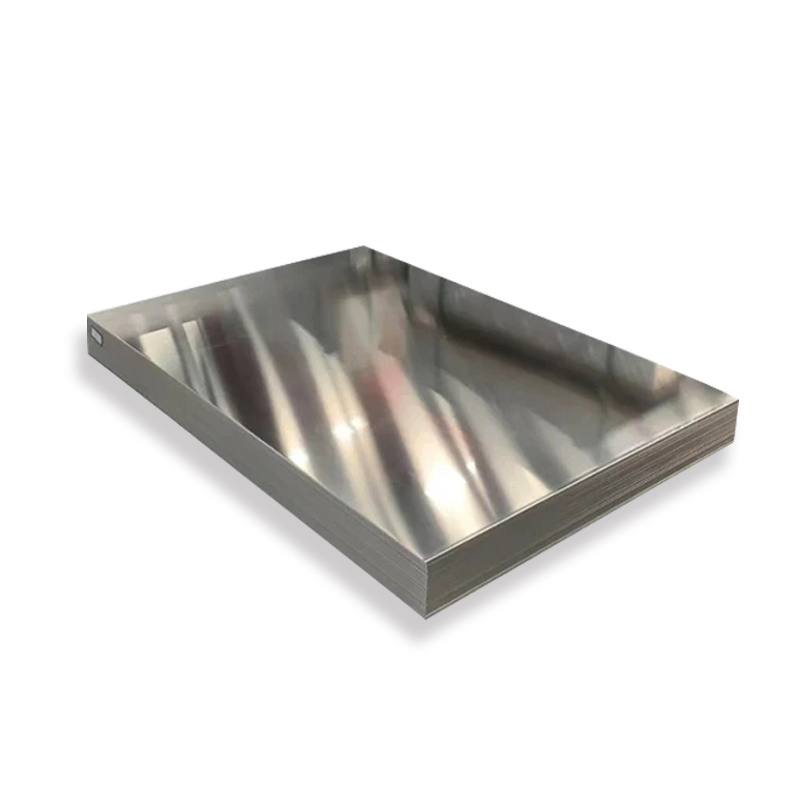
Grade 316 stainless steel is an austenitic form of stainless steel with a molybdenum content of 2-3%. The addition of molybdenum makes the metal more resistant to pitting and corrosion and improves its resistance to exposure to high temperatures. This grade of stainless steel is particularly effective when used in acidic environments. With this metal, corrosion caused by acetic acid, hydrochloric acid and other forms of acid can be prevented.
VIEW MORE +

310S is an austenitic stainless steel that combines excellent high temperature performance with good ductility and weldability. It is usually used for high temperature applications because its high chromium and nickel content provides solid corrosion resistance, excellent oxidation resistance and excellent strength at temperatures up to 2100 °F. Due to its high chromium and nickel content, it is superior to 304 or 309 stainless steel in most environments.
VIEW MORE +

Grade 904L is an unstable low carbon high alloy austenitic stainless steel. The addition of copper to this grade greatly increases its resistance to strong reducing acids, especially sulfuric acid. It is also highly resistant to chloride attack, including pitting/crevice corrosion and stress corrosion cracking.
VIEW MORE +
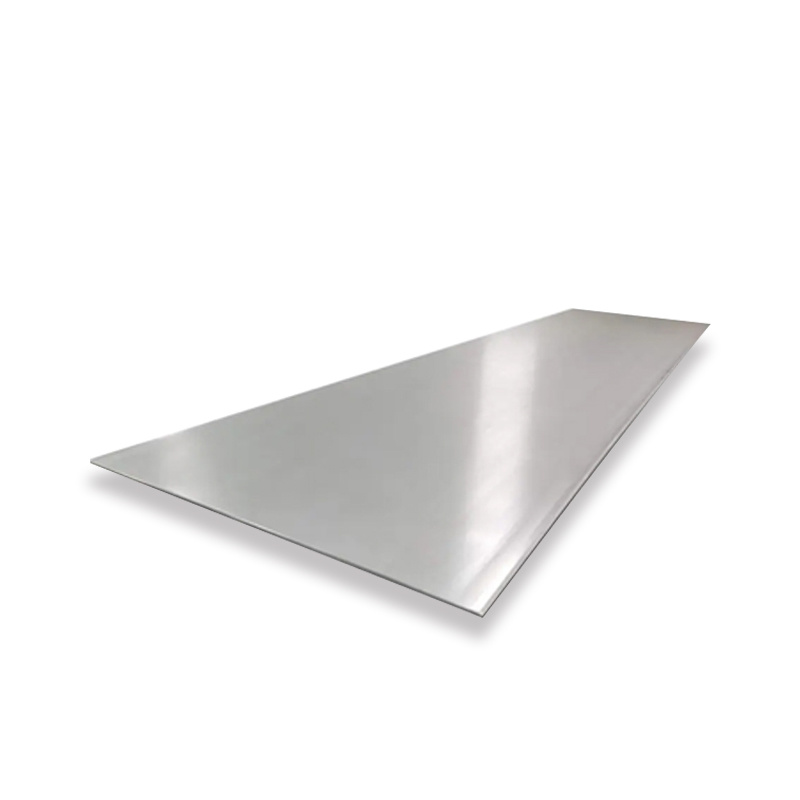
Type 201 stainless steel is an austenitic chromium-nickel-manganese stainless steel, which is developed to save nickel. Type 201 is a low-cost alternative to traditional Cr-Ni stainless steels such as 301 and 304. The nickel is replaced by added manganese and nitrogen. It cannot be hardened by heat treatment, but can reach high tensile strength by cold working. Type 201 is essentially non-magnetic in the annealed condition and becomes magnetic upon cold working. In many applications, the 201 type may replace the 301 type.
VIEW MORE +
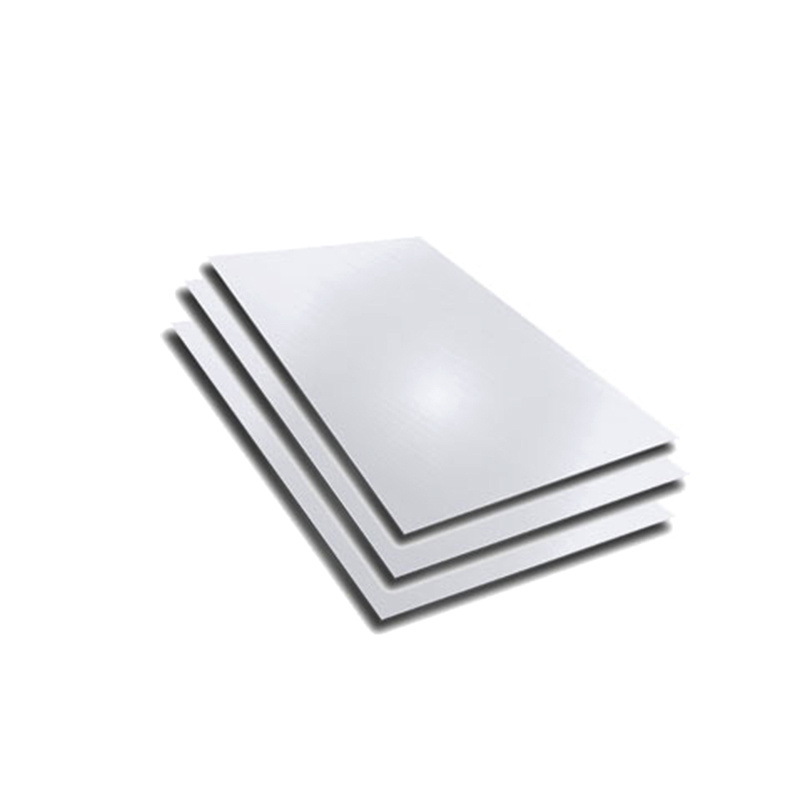
2507 Duplex Stainless Steel Plate
2507(UNS S32750) is an ultra-duplex stainless steel containing 25% chromium, 4% molybdenum and 7% nickel. It is designed for demanding applications that require excellent strength and corrosion resistance, such as chemical processes, petrochemicals and seawater equipment. The steel has excellent resistance to chloride stress corrosion cracking, high thermal conductivity and low coefficient of thermal expansion. High chromium, molybdenum and nickel levels provide excellent resistance to pitting, crevice corrosion and general corrosion.
VIEW MORE +

416 is a martensitic free-working chromium steel alloy, which is generally considered a first free-working stainless steel. It has the highest machinability of any stainless steel, about 85% of free-machining carbon steel. Martensitic stainless steels are designed to harden by heat treatment and have corrosion resistance. Although the corrosion resistance of 416 alloy and other martensitic stainless steels is not as good as that of austenitic or ferritic stainless steels, it still exhibits good corrosion and oxidation resistance and high strength in hardened and tempered conditions.
VIEW MORE +

2205 Duplex Stainless Steel Plate
Duplex 2205 is a two-phase, ferritic, austenitic, 22% chromium, 3% molybdenum, 5% to 6% nickel alloy stainless steel. It is the most widely used duplex stainless steel grade and is characterized by high yield strength, which is twice that of standard austenitic stainless steel grades. It also exhibits good fatigue strength and excellent resistance to stress corrosion, cracking, pitting, erosion and general corrosion in harsh environments.
VIEW MORE +

202 stainless steel is an austenitic chromium-nickel-manganese alloy. It has high ductility, good corrosion resistance and excellent toughness in both high and low temperature environments. 202 stainless steel is one of the most widely used 200 series stainless steel. 202 stainless steel, the austenitic structure is stabilized by the addition of nickel and manganese, thereby preventing the formation of harmful phases, such as sigma phase or chromium carbide. The high nickel content also improves the corrosion and oxidation resistance of the steel at high temperatures.
VIEW MORE +
CONTACT US
Whatsapp : +8619953178298
E-mail : info@ruixingmetal.com
Tel : +8619953178298
Add : Heilongjiang Road, Liaocheng City, Shandong Province, China


GET A FREE QUOTE
Copyright : Liaocheng Development Zone Ruixing Steel Pipe Manufacturing Co., Ltd.