

PRODUCT CENTER
CONTACT US
If you are interested in cooperation, please contact us immediately, we will give you feedback as soon as possible!
Mobile

403 stainless steel has excellent mechanical properties, including high hardness, high strength and high wear resistance. It is commonly used in the manufacture of high hardness tools, cutting tools, bearings and valves and other industrial parts, especially in applications requiring corrosion resistance and wear resistance. In addition, 403 stainless steel can also be used in food processing equipment, chemical equipment, medical equipment and other fields to meet the requirements of corrosion resistance and mechanical properties.
VIEW MORE +

The mechanical properties of 405 stainless steels are important in determining their suitability for various applications. This steel has excellent workability and is easy to cut and shape into different shapes. In addition, the material exhibits a good level of strength and hardness, making it wear-resistant and tear-resistant. A remarkable characteristic of 405 stainless steel is its ductility, which refers to its ability to deform under pressure without breaking. This property makes the metal suitable for forming processes such as bending and rolling without cracking or breaking.
VIEW MORE +

409 is a general purpose chromium, titanium stabilized ferritic stainless steel, its main application is automotive exhaust systems. It contains 11% chromium, which is the lowest amount to form a passive surface film, which makes stainless steel corrosion resistant. It combines good high temperature corrosion resistance, medium strength, good formability and overall cost. Compared with carbon steel, 409 has strong corrosion resistance and is used as a substitute for carbon steel in mildly challenging environments. In this environment, its high resistance to corrosion and high temperature oxidation has advantages. It is usually used in applications where appearance is a secondary quality to mechanical properties and corrosion resistance.
VIEW MORE +

C12000/TP1 has good welding performance and cold bending performance, generally has no "hydrogen disease" tendency, can be processed and used in reducing atmosphere, but should not be processed and used in oxidizing atmosphere, mainly for pipe application, but also for plate, belt or bar and line supply. Used as gasoline or gas transmission pipe, drain pipe, condenser pipe, mine pipe, condenser, evaporator, heat exchanger, train parts.
VIEW MORE +
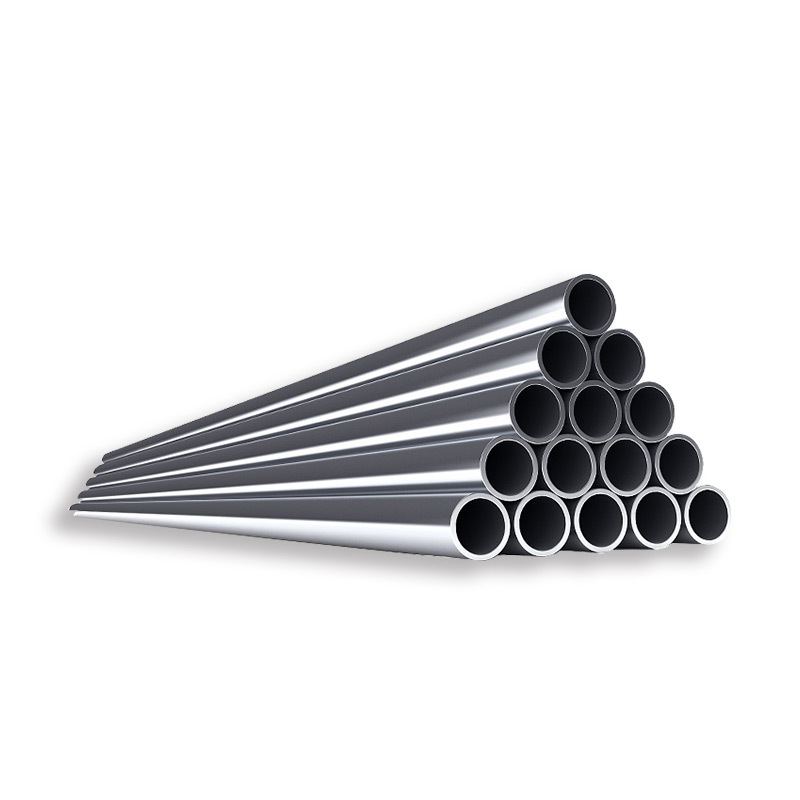
316L stainless steel is an austenitic stainless steel metal alloy that contains nickel and molybdenum, making it corrosion resistant. 316L is a 316 low carbon grade. This grade is not affected by sensitization (grain boundary carbide precipitation). It is often used for large-gauge welded parts (approximately over 6mm). 316L stainless steel has higher creep, fracture stress and tensile strength than chromium nickel austenitic stainless steel at high temperature.
VIEW MORE +
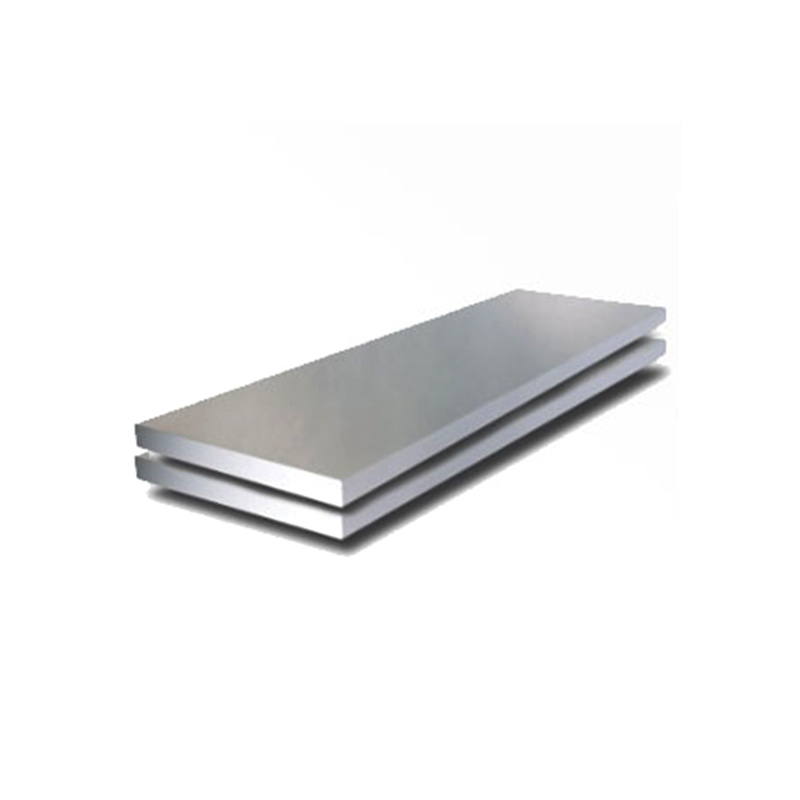
304L is one of the austenitic stainless steels with a chromium content of at least 18%, a nickel content of at least 8%, and a maximum carbon content of 0.03. 304L stainless steel is an ideal choice for various household and commercial applications, with excellent corrosion resistance, ease of manufacturing and excellent formability. Austenitic stainless steels are also considered to be the easiest to weld among high alloy steels and can be welded by all fusion and resistance welding processes.
VIEW MORE +

Type 201 stainless steel is an austenitic chromium-nickel-manganese stainless steel, which is developed to save nickel. Type 201 is a low-cost alternative to traditional Cr-Ni stainless steels such as 301 and 304. The nickel is replaced by added manganese and nitrogen. It cannot be hardened by heat treatment, but can reach high tensile strength by cold working. Type 201 is essentially non-magnetic in the annealed condition and becomes magnetic upon cold working. In many applications, the 201 type may replace the 301 type.
VIEW MORE +
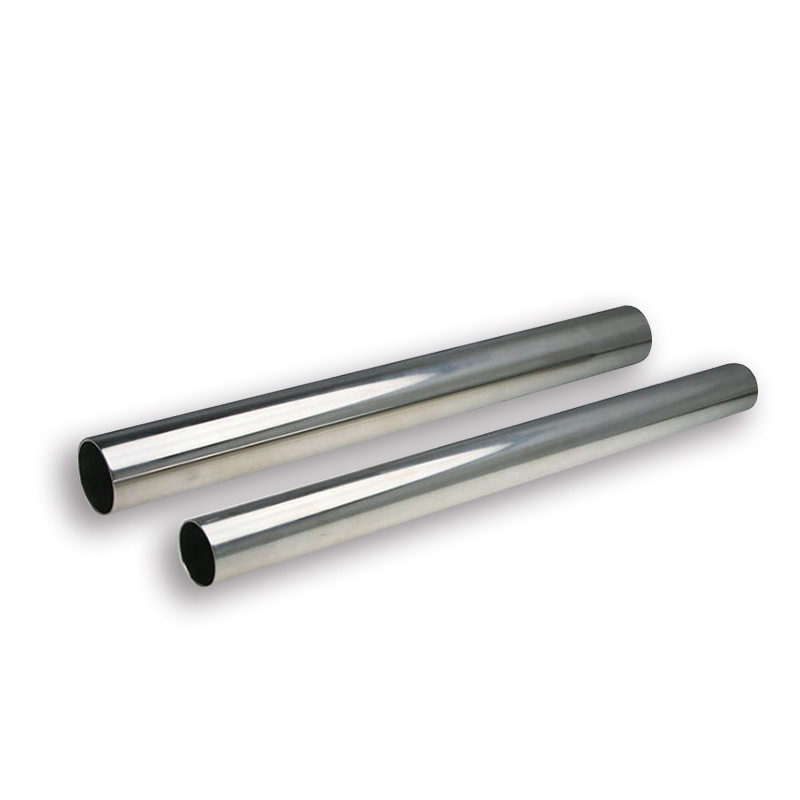
Grade 904L is an unstable low carbon high alloy austenitic stainless steel. The addition of copper to this grade greatly increases its resistance to strong reducing acids, especially sulfuric acid. It is also highly resistant to chloride attack, including pitting/crevice corrosion and stress corrosion cracking.
VIEW MORE +
CONTACT US
Whatsapp : +8619953178298
E-mail : info@ruixingmetal.com
Tel : +8619953178298
Add : Heilongjiang Road, Liaocheng City, Shandong Province, China


GET A FREE QUOTE
Copyright : Liaocheng Development Zone Ruixing Steel Pipe Manufacturing Co., Ltd.